Drop Shot Rig: Leader Length, Hook Size, Weight and the Knot
Dockrig is reader-supported. When you buy through links on this page, we may earn a commission.
A drop shot puts the hook above the weight.
Start with a #1 or #2 drop shot hook, a 1/4 oz weight and 12 to 18 in. from hook to weight. Go shorter when fish sit on the bottom. Go longer when they hold off it.
It's a finesse rig for deep, clear water and pressured fish. In heavy grass or wood, a Texas rig comes through better.
Spec card
Drop shot rig
- Hook type & size
- drop shot or octopus hook, #2 to 1/0match to bait size
- Weight type & size
- cylinder or teardrop drop shot weight, 1/8 to 3/8 oz; up to 1/2 oz deep or windy
- Leader length
- 12 to 18 in. hook to weight to start; 4 to 30 in. range
- Knot used
- Palomar, long tag
- Line
- 6 to 10 lb fluoro, or braid with a 6 to 10 lb fluoro leader
- Water & cover
- clear water 10 to 40 ft, rock, ledges, sparse grass edges
- Skip when
- thick grass, laydowns and brush where the weight hangs
How to rig it
Tie a Palomar with a long tag. Leave the tag longer than the hook-to-weight distance you want.
Step 1. Tie a Palomar with a long tag. Tap to enlarge. Pass the tag back through the eye from the point side. The hook point now faces up.
Step 2. Pass the tag back through the eye from the point side. Tap to enlarge. Clip the weight to the end of the tag. Set the hook-to-weight distance from the table.
Step 3. Clip the weight to the end of the tag. Tap to enlarge.
Step 1 is a normal Palomar, except for the tag. For 18 in. from hook to weight, leave about 24 in. of tag. The extra goes into the weight clip and a little to spare.
Step 2 is the step that matters. Run the tag back through the eye from the point side. Then the hook stands out from the line with the point up. Skip it, and the hook hangs flat or upside down.
In step 3, most drop shot weights have a line clip. Slide the tag into the slot and pull it tight. You can slide the weight up or down the tag to change the distance. No retie needed.
Hook-to-weight distance by depth zone
| Where the fish are | Hook to weight | Notes |
|---|---|---|
| on the bottom, feeding | 4 to 8 in. | gobies, crawfish, bottom-hugging fish |
| just off the bottom | 12 to 18 in. | the usual starting point |
| suspended 2 to 3 ft up | 18 to 30 in. | match fish height on your graph |
Our assumptions
- The weight sits on the bottom and the line is close to vertical.
- Fish height comes from your sonar or from where bites happen.
- Distances are hook eye to the weight clip, measured on the line.
If you have sonar, read the fish height. A fish 2 ft off the bottom wants about 2 ft between hook and weight. If you don't, start at 12 to 18 in. and adjust after a few bites.
Shape matters on the tag. A 1/4 oz pencil drop shot weight is a cylinder. It slides through rock and snags less than a round 1.
Hook size and weight
Match the hook to the bait. A 3 to 4 in. finesse worm goes on a #2 or a #1 drop shot hook. A 4 to 5 in. worm or minnow bait goes on a #1 or 1/0.
Most anglers nose-hook the bait. Push the hook point in and out through the very tip of the nose. The bait hangs and moves on slack line.
For weight, use the lightest that keeps contact with the bottom. 1/8 oz in 10 ft of calm water is plenty. 3/8 oz helps in 30 ft or wind. Some anglers go to 1/2 oz in very deep water.
Shape matters on the bottom. Cylinder weights slide through rock better. Round and teardrop weights settle in place on smooth bottoms.
See fishing weights by rig and bass hooks by type for the hardware side.
Line type differences
| Setup | Main line | Leader | Notes |
|---|---|---|---|
| Braid plus leader | 15 to 20 lb braid | 6 to 10 lb fluoro, 6 to 10 ft | feel through braid; leader for low visibility |
| Straight fluoro | 6 to 10 lb fluoro | none | simple; stiffer line on a spinning reel |
| Mono | 6 to 10 lb mono | none | more stretch; fine in shallow water |
Spinning gear is standard. A 6 ft 10 in. to 7 ft 2 in. medium-light or medium rod is common.
Braid with a fluoro leader is the common deep-water setup. The braid transmits bites from 30 ft. The leader goes on with a double uni or an FG.
Fishing it
Cast or drop straight down. Let the weight hit the bottom. Then tighten the line until you feel the weight.
Shake the rod tip on slack line. The weight stays put and the bait wiggles above it. Pause often. Many bites come on the pause, and they can feel like nothing more than extra weight on the line.
Drag the weight a few inches, then shake again. On a ledge or a rock pile, work it slowly across the whole spot.
Where it fits on the water
- Smallmouth on rock humps in 15 to 30 ft, summer: 1/4 to 3/8 oz cylinder weight and a #1 hook. Use a 3 to 4 in. minnow bait. Distance 8 to 12 in.
- Largemouth on deep grass edges, 10 to 15 ft: 1/4 oz, a 4 in. worm on a 1/0. Distance 12 to 18 in., so the bait rides over the grass tops.
- Spotted bass on bluff walls: 3/16 to 1/4 oz, #2 hook. Fish hold at different heights, so start at 18 in.
- Suspended fish over a creek channel, 20 to 30 ft: 3/8 oz to hold vertical, 24 to 30 in. distance.
- Bank fishing a dock edge in 6 to 10 ft: 1/8 oz and a 12 in. distance. Cast, let it settle, shake.
Choosing the bait
Drop shot baits are small and light. They need to move on a shaking rod tip with the weight still.
- Finesse worms, 3 to 5 in.: the default. Straight or with a thin tail.
- Minnow-shaped baits, 3 to 4 in.: when bass feed on shad or gobies.
- Small creature baits: around rock where crawfish live.
Colors are a long debate. In clear water, natural greens and smoke shades are common picks. See soft plastic baits for types and hooks.
Common mistakes
- Hook upside down. The tag went back through the eye from the wrong side. Retie step 2.
- Weight too heavy. It digs into soft bottom and hangs. Go lighter.
- Too much rod movement. The weight hops off the bottom. Shake the line, not the weight.
- Distance too long for bottom fish. Shorten to 4 to 8 in.
- Cutting the tag short. Leave room to slide the weight.
When not to use a drop shot
- Thick grass or brush. The exposed hook and weight hang up. Use a Texas rig.
- Covering a lot of water fast. A drop shot is slow. A Carolina rig covers flats faster.
- Shallow, active fish. A wacky rig or a moving bait often works better.
Common Questions
How long should a drop shot leader be?
Start at 12 to 18 in. hook to weight. Then match fish height. Fish on the bottom: 4 to 8 in. Fish suspended: 18 to 30 in.
Can you drop shot from the bank?
Yes. Cast it out, let it settle, and shake it in place. Drag it a little, then shake again. A 1/4 oz weight casts well from shore.
Do you need a special drop shot hook?
No. Any short-shank octopus or drop shot hook in #2 to 1/0 works. Some anglers use a small offset worm hook to rig the bait weedless.
Gear for this page
 Reaction Tackle Drop Shot Weights, Pencil Sinkers, Black 1/4 Oz 25-Pack1/4 oz pencil weights for the bottom of a drop shot rig.
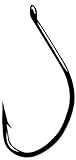 Gamakatsu Split Shot/Drop Shot Hook-Pack Of 25 (Black, 1)#1 drop shot hooks, tied on with a Palomar.
 Reaction Tackle Tungsten Drop Shot Weights Black Teardrop 1/4 Oz 6-PackTungsten teardrop weights, a smaller option for the drop shot rig.
 Z-Man Finesse TRD Tackle, Coppertreuse, 2.75"A 2.75 in. finesse bait for the drop shot rig.
Next rigs
- Fishing rigsevery rig on Dockrig compared
- Texas rigweedless for grass and wood
- Carolina rigweight ahead of the bait on flats
- Wacky rigweightless, falls horizontal
- Bass hooks by typedrop shot, offset, wacky
- Fishing weights by rigdrop shot shapes and sizes
Sources: designer step text for the 3 rigging steps. Ranges from common drop shot practice and maker labels. Method on our methodology page. pinfishing.com and bassonline.com drop shot guides, for hook, weight and spacing ranges.